How to Visit Banff on a Budget Without Missing the Best Parts
A trip to Banff does not have to drain your savings. With a few practical choices on where you stay, when you visit and how you get around, you can keep costs down and still see the lakes, peaks and trails that make the park famous.
Where should I stay in Banff if I am watching my budget?
A room in downtown Banff puts you steps from shops and restaurants, but you pay for that convenience. Lodgings just outside the town centre cost noticeably less per night and often come with a kitchen or kitchenette. Cooking even two meals a day in your room instead of eating out can save a family more than the nightly rate difference over a week-long stay.
Properties like Banff Boundary Lodge sit a short drive from the town core and the park gates, so you still reach trailheads and attractions quickly. You swap a five-minute walk to a cafe for a quieter setting, more space and a lower total bill once food is factored in. You also skip the noise of late-night bar traffic that comes with a central location in peak season.
Look for a place with free parking, a full fridge and at least a two-burner cooktop. Those three things alone remove the daily hunt for a paid lot, the cost of three restaurant meals and the need to eat on someone else's schedule. A self-catered base outside the immediate downtown zone is the most effective way to bring a Banff trip within a modest budget.
What are the best free things to do in Banff National Park?
Many of the park’s finest experiences cost nothing beyond your park pass. Walking the Bow River Trail gives you a flat, paved path along the water with clear views of Cascade Mountain, and you can start right from town. The Cascade of Time Garden, tucked behind the administration building on Cave Avenue, is a terraced formal garden maintained by Parks Canada that is open to the public through the summer months.
Sunset at Vermilion Lakes is a local ritual. The three shallow lakes sit just west of town along Vermilion Lakes Drive, and Mount Rundle reflects in the still water when the light is right. Tunnel Mountain, the small peak rising directly above the townsite, is a straightforward 4.3 km round-trip hike with switchbacks the whole way. The summit gives you a 360-degree view of the Bow Valley, the Banff Springs Hotel and the Fairholme Range.
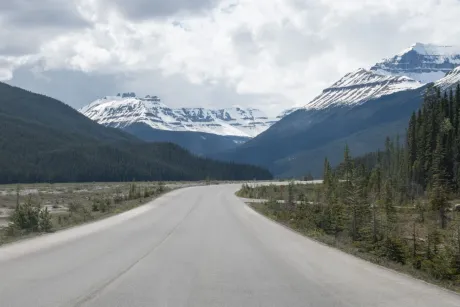
Driving the Bow Valley Parkway between Banff and Lake Louise takes you through prime wildlife habitat at a slower pace than the highway. You can pull over at Johnston Canyon for the lower-falls walk or stop at Muleshoe picnic area to watch for elk. Here are some of the most rewarding ways to spend a day in the park:
- Hiking the Tunnel Mountain trail for a summit view directly above the townsite
- Walking or cycling the Bow River Trail from the pedestrian bridge to the fenlands
- Watching the sunset over Mount Rundle from the docks at Vermilion Lakes
- Exploring the Cascade of Time Garden during the summer bloom
- Driving the Bow Valley Parkway with stops at Muleshoe and the Sawback burn area
- Spotting elk and bighorn sheep along the Fenland Trail loop on the edge of town
When is the cheapest time to visit Banff?
Lodging rates in Banff drop most during the two shoulder seasons: late April through early June, and late September through October. Rooms go for a fraction of midsummer and ski-season prices, often with more availability and fewer people on the trails. Many hotels and lodges run midweek specials during these windows, which stretches a short trip further.
Late spring delivers longer daylight hours and lower-elevation hikes that are already dry, while the peaks still hold snow and the lakes are beginning to thaw. September and October bring cool, stable weather and the golden larch display in the alpine, with daytime highs comfortable enough for a jacket and a long walk. The trade-off is that some high-country trails and seasonal services close by mid-October, so check the access reports before you book.
Avoid the July-to-August peak and the core ski months of January and February if cost is your first concern. Room rates hit their annual highs then. The weeks around Christmas and New Year are the most expensive of all. If winter is your goal, early December and late March give you snow at notably lower prices than the midwinter rush.
How can I save money on food during my trip?
Booking a room with a kitchenette changes your food budget overnight. Even a simple setup with a fridge, a two-burner stove and a microwave lets you prepare breakfast and pack trail lunches, which together can be the two most overpriced meals a visitor buys. At Banff Boundary Lodge every suite has a full kitchen, so you can cook the same way you do at home while you are here.
The IGA on Bear Street is the main grocery store in town and stocks everything from fresh produce to ready-made sandwiches. Shop on your first afternoon and keep the fridge stocked with yogurt, fruit, bread, cheese and cold cuts. For day hikes, pack sandwiches, trail mix and a refillable water bottle rather than buying lunch at a trailhead café. A packed lunch beside a lake tastes better than anything you can order at a counter.
Pick one or two sit-down meals that matter to you, a breakfast at a diner on your last morning or a dinner at a place you have read about, and self-cater the rest. That approach gives you the experience of eating out without the daily cost that adds up faster than any other expense on a Banff trip.
Do I need a car, or can I get around Banff without one?
You can see the core of Banff without a car. Roam Transit runs local routes through town and out to Lake Louise, Johnston Canyon, and the gondola base, with a day pass costing less than a single parking session at most trailheads. Parks Canada shuttles also connect Lake Louise and Moraine Lake, where private vehicles are restricted for much of the summer.
A rental car helps in two situations. You can reach popular trailheads before the shuttle crowds arrive, and you can book lodging a few kilometres outside the town centre where nightly rates are often lower. If you stay at a property on the Roam route, the savings on accommodation can cover a week of transit passes.
- Compare the daily rental rate against two or three Roam day passes for your group size.
- Check the Parks Canada shuttle booking window before you plan a Moraine Lake visit.
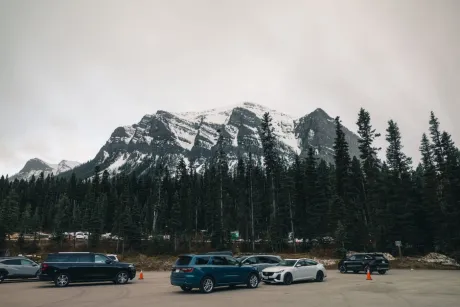
- Park at the free intercept lot at the Lake Louise Ski Area and ride the shuttle up.
- Book lodging within walking distance of a Roam stop to avoid paying for parking.
- Reserve a rental car only for the days you plan to hike beyond the shuttle network.
Which paid attractions are actually worth the money?
The Banff Gondola gives you a summit view from Sulphur Mountain without the five-hour climb. An eight-minute ride lifts you to 2,281 metres, where a boardwalk leads to Sanson Peak and the old weather station. Morning tickets cost less, and the panorama of six mountain ranges is the same whatever time you go.
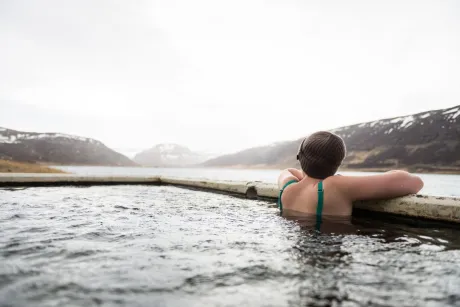
The Upper Hot Springs let you soak in 40°C mineral water with Rundle Range right in front of you. Entry costs under twenty dollars, and you can stay until closing. Bring your own towel and swimsuit to avoid the rental fee. A late-afternoon visit lines up with cooler air and softer light on the peaks.
A cruise on Lake Minnewanka shows you a side of the park you cannot see from any trail. The boat follows the shoreline past cliffs and forest that are closed to hikers, and the crew points out eagles, bighorn sheep and the submerged old townsite. The one-hour tour suits a day when your legs need a rest from hiking.
How do I keep gear and park pass costs under control?
Renting equipment in town is almost always cheaper than buying it for a short trip. Several shops in Banff rent bear spray by the day, and many also offer hiking poles, crampons and even camping gear. A rental bear spray canister costs a fraction of the purchase price, and you avoid the hassle of trying to fly home with it since bear spray cannot go in checked or carry-on luggage.
A Parks Canada Discovery Pass covers entry for everyone in one vehicle, so a group of four sharing a single pass pays a quarter of the cost per person. If you are travelling solo or as a couple, the pass still pays for itself after about a week of daily park visits compared to daily admission fees.
Bringing a reusable water bottle and dressing in layers you already own saves money and luggage space. Tap water in Banff is excellent, and refill stations are common at visitor centres and trailheads. A fleece, a rain shell and sturdy walking shoes you have worn before will handle most summer trails without a trip to an outdoor store.
Frequently asked questions
Is Banff expensive to visit?
Banff can be pricey, especially in July and August, but it is also full of free outdoor experiences. By travelling in the shoulder season, cooking some of your own meals and choosing accommodation a short drive from downtown, you can have a full Rockies trip on a moderate budget.
Do I need a park pass to enter Banff?
Yes. Every visitor to Banff National Park needs a Parks Canada pass. A daily pass covers one person, while a Discovery Pass covers a whole vehicle for a full year and quickly pays for itself if you stay more than a few days or visit other national parks.
Can I visit Lake Louise and Moraine Lake without a car?
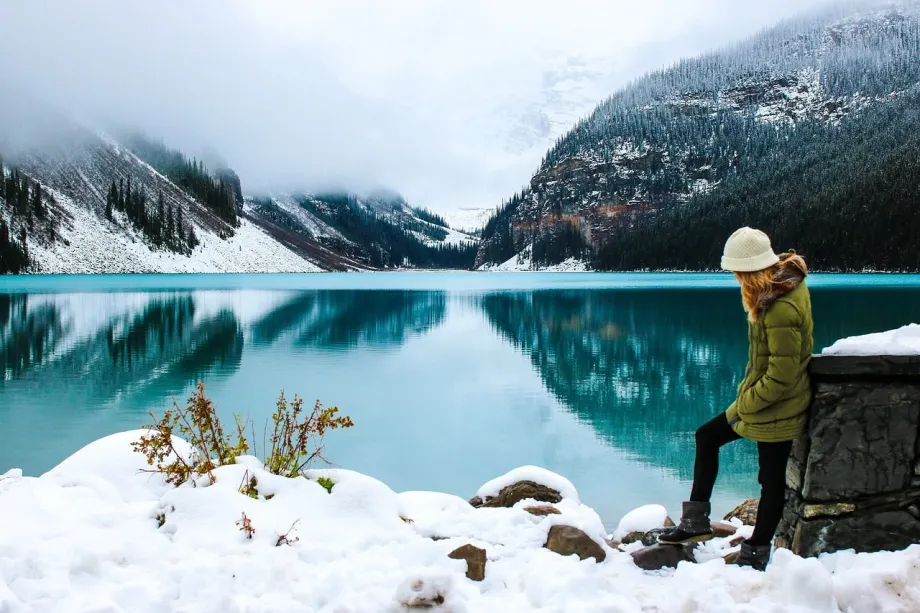
You can, but you need to plan ahead. Parks Canada runs a shuttle from the Lake Louise Park and Ride lot to both lakes, and Roam Transit offers a seasonal route from Banff to Lake Louise. Parking at Moraine Lake is closed to private vehicles year-round, so the shuttle is the only way to see it.
What is the cheapest way to get from Calgary to Banff?
The most affordable option is usually a shuttle bus service such as Banff Airporter or Brewster Express, especially if you book a round trip. Renting a car gives you more freedom inside the park, but if you are staying near a transit stop and plan to use park shuttles, a car is not essential.