
Banff or Canmore, choosing a base in the Rockies
Banff lies inside the national park and Canmore lies just outside its eastern boundary, and that one line on the map shapes park passes, lodging types and daily driving.
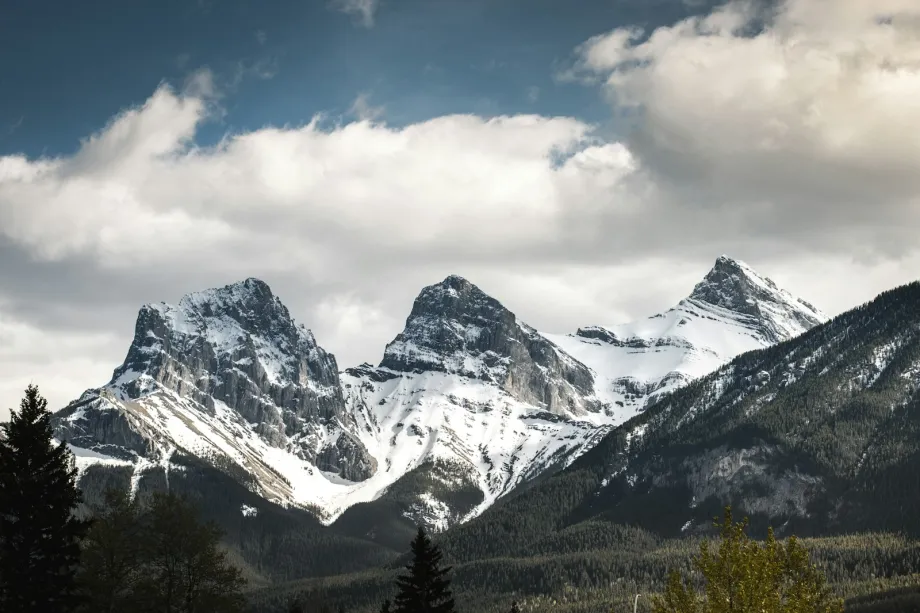
Banff sits inside Banff National Park. Canmore sits just beyond its eastern edge, in the same Bow Valley. For visitors, that boundary is the most practical difference between the two towns, and it affects more of a trip than people expect.
Park passes and the boundary
Staying in Banff means staying inside the park. Parks Canada requires a valid pass for every vehicle that stops in the park, so you need one for each day of your stay, even if the car never leaves the hotel lot. Day passes suit short visits; an annual Discovery Pass can work out cheaper if you spend a week or more in national parks over the year. Check current prices and rules on the Parks Canada website, as they change.
Canmore is outside the park, so shopping, eating and sleeping there needs no national park pass. The moment you drive west past the park entrance on the Trans-Canada toward Banff, Lake Louise or the Icefields Parkway, you need a valid pass for that day.
Two different towns
Banff is a federal park town with strict limits on growth. Its commercial heart is Banff Avenue, busy with pedestrians from late spring to autumn, lined with outdoor shops, restaurants, bars and souvenir stores. Stone and timber heritage buildings stand beside mid-century motor inns. The town is built around visitors, with frequent buses, clear signage and almost everything within a short walk.
Canmore began as a coal mining town and grew into a recreation centre with a large residential population. It feels more like a place where people live year-round: schools, community centres, neighbourhood parks, a main street of cafés, bakeries, galleries and breweries. It is less crowded than Banff in peak season but more spread out, so moving between neighbourhoods usually means a car, a bike or the local bus.
Rooms, suites and condos
Banff's lodging leans toward hotel rooms, lodges and historic properties. Suites exist, but units with a full kitchen are relatively scarce, so families often book connecting rooms and eat out for most meals. Some older properties also have small parking lots or garages with low clearance.
Canmore has a much larger stock of condos, townhouses and suite-style lodges, many built in the last few decades. Full kitchens, in-suite laundry and two or three bedrooms are common. For a family or group staying several nights, being able to cook, dry wet gear and spread out makes a real difference to both comfort and budget. Grocery shopping is also easier, with larger supermarkets close to the highway.
Driving and daily logistics
If most of your days point deeper into the park, Banff saves time. Lake Louise is close to 60 kilometres west of Banff, so starting from Canmore adds roughly 20 minutes each way. For the Icefields Parkway and Yoho, every saved minute counts on a long day.
Banff is also closer to the three ski areas inside the park. Mount Norquay sits right above town, Sunshine Village is a short drive west, and Lake Louise Ski Resort is the farthest of the three.
Canmore has its own advantages. It is the first mountain town on the drive from Calgary, and it is the natural base for Kananaskis Country, with its hiking, cross-country skiing and mountain biking outside the national park. The Canmore Nordic Centre sits on the bench above town with groomed trails in winter and bike trails in summer.
Summer demand and winter reality
Both towns are busiest from late June to early September, and good rooms disappear early. Booking several months ahead is sensible for July and August. Canmore does not guarantee low prices in high summer, but its larger supply of condos gives more choice when Banff is full.
Parking is one of the main summer frustrations in Banff. Central lots fill early, and the town and Parks Canada encourage visitors to use transit or leave cars at their lodging. Canmore gets busy too, though parking near its centre is usually easier to find.
In winter the balance shifts. Skiers who want short morning drives to Norquay and Sunshine and a lively après scene often pick Banff. Those who want quiet evenings, space to dry boots and easy access to Nordic trails often pick Canmore. The highway between the two can be icy or blown with snow in winter, though it is cleared regularly; winter tires make a real difference.
How to choose
Pick Banff if you want to walk out of the door to restaurants, the river and the bus, and if most of your plans lie west of town. It suits couples, solo travellers and short stays where location matters more than floor space.
Pick Canmore if you want a kitchen, separate bedrooms and laundry, or if you plan to spend time in Kananaskis. It suits families, groups and longer stays, with the park a short drive away whenever you want it.
Frequently asked questions
Do you need a park pass to stay in Canmore?
Not for time spent in Canmore itself, which is outside Banff National Park. You need a valid Parks Canada pass as soon as you drive into the park toward Banff or Lake Louise. Some trailheads around Canmore fall under Alberta's own Kananaskis Conservation Pass, so check which applies.
Is Canmore cheaper than Banff?
Often a little, especially for condo-style rentals, but summer demand keeps prices high in both towns. Compare like for like, including parking and park pass costs.
How far apart are the two towns?
About 25 kilometres on the Trans-Canada Highway, usually a 20-minute drive in good conditions.
Which town suits families better?
Canmore has more units with full kitchens and separate bedrooms. Banff suits families who want to walk to restaurants and the river paths without moving the car.