
When Is the Best Time to Visit Banff and Lake Louise
The best time to visit Banff and Lake Louise depends on what you want to do. Summer brings warm hiking weather and full access to the lakes, while winter turns the region into a quiet snowy playground with lower prices. Here is a season-by-season look to help you match your trip to the experience you want.
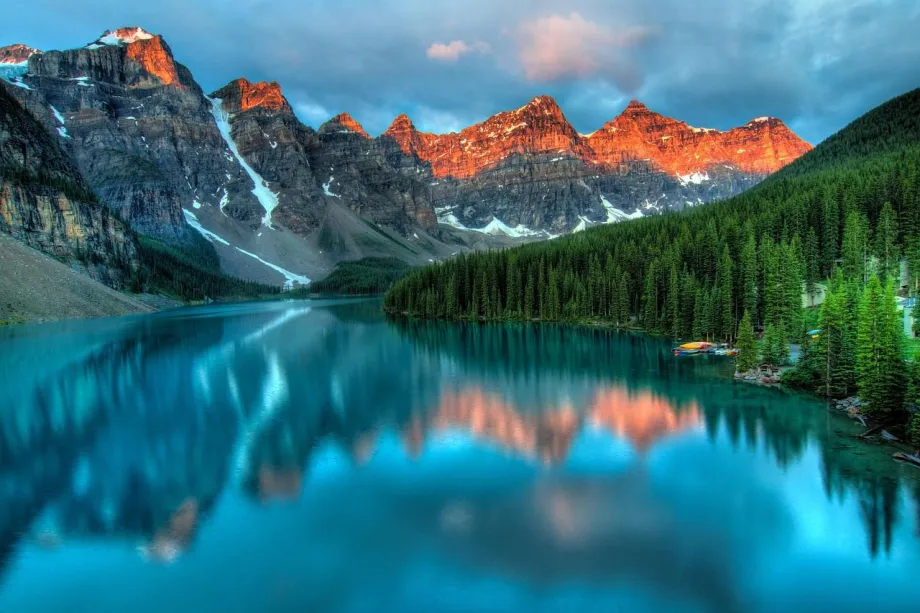
What is the best month for hiking and seeing the lakes
July and August give you the warmest weather and the widest choice of open trails in Banff and Lake Louise. The lakes are fully thawed by early July, and the classic viewpoints along the Bow Valley Parkway and the Icefields Parkway are all accessible. You can expect daytime highs around 20 to 23 degrees Celsius, which makes long ridge walks comfortable. In return, these two months also bring the largest crowds, busy parking lots at Lake Louise and Moraine Lake, and higher demand for shuttle seats.
Late June and early September are strong alternatives with noticeably fewer people on the trails. In late June the high alpine routes may still hold patches of snow, but the valley trails and lakeshore paths are already dry and the lakes have their distinctive turquoise colour. Early September keeps the warm days of summer while the morning chill reminds you autumn is on its way. Parks Canada shuttles and the Moraine Lake road typically operate through mid-October, so access remains straightforward during this window.
When can I see the larch trees turn golden
Larch season in Banff and Lake Louise peaks during the final two weeks of September and the first week of October. The needles shift from green to a bright gold over roughly ten days, then fall soon after the first hard frost. This narrow window draws a second wave of visitors, nearly matching the summer crowds on the most popular trails.
Larch Valley, reached from Moraine Lake, is the best-known spot and fills early each morning. Parks Canada runs a shuttle to Moraine Lake through mid-October, and seats book out days ahead during larch season. Healy Pass, Arnica Lake and the trail to Taylor Lake see fewer people and offer the same golden display with a quieter walk.
The colour holds longest in a dry, sunny September with cool nights. A windy storm or an early heavy snow can strip the needles overnight, so checking a recent trail report before you set out saves a long drive for bare branches.
Is winter a good time to visit Banff
Winter is a rewarding time to visit Banff if you enjoy snow sports, quiet trails, and a landscape that feels entirely different from the summer months. The season runs from November through March, with reliable snow cover for skiing, snowboarding and snowshoeing.
Lake Louise Ski Resort and Sunshine Village typically open in early November and stay open into May, giving you one of the longest ski seasons in North America. Away from the slopes, frozen waterfalls like Johnston Canyon become walkable ice climbs, and the Banff Upper Hot Springs feel especially good when the air is cold. Daylight is short in December and January, with the sun setting before 5 p.m., so plan your outdoor activities for the middle of the day. The Icefields Parkway closes south of the Columbia Icefield, and Moraine Lake Road is gated all winter, which limits access to some backcountry areas.
Accommodation rates drop after the holiday rush, making February and March a good window for a quieter stay with good snow conditions.
What are the quietest months with decent weather
May and October are the shoulder months that give you a quieter visit with daytime temperatures still comfortable enough for walking. You will share the trails and viewpoints with far fewer people than in July or August, and accommodation is easier to find at lower rates.
In May the valley bottoms warm up quickly, though higher trails remain snowy or muddy and the lakes are often still frozen. October brings crisp air, golden light, and the end of the larch season, but many park roads and facilities close after Canadian Thanksgiving, so check the opening dates before you plan your route.
The price of thinner crowds is limited access. Expect these closures and conditions in the shoulder months:
- Moraine Lake Road closes in mid-October and does not reopen until late May, cutting off one of the most popular viewpoints.
- Higher-elevation hikes such as the Plain of Six Glaciers remain snowbound through May and often into early June.
- Some campgrounds, shuttle services, and park facilities operate on reduced schedules or close entirely outside the peak summer window.
- Wildlife is more active at the edges of the day, so carry bear spray and make noise on quiet trails.
- Daytime highs in the valley typically sit between 10°C and 18°C, with overnight frost still common in May and late October.
What to expect from the weather each season
Banff and Lake Louise sit at elevations above 1,380 metres, so mountain weather can shift quickly no matter the month. Even in summer a sunny morning can turn into an afternoon thunderstorm, and snow is possible in any month above 2,000 metres. Pack layers and check the forecast the night before a hike rather than trusting a single seasonal average.
Daylight hours swing dramatically between seasons. In late June you get nearly 17 hours of daylight, while late December brings just under 8 hours. A typical year across the four seasons looks like this:
- Winter (December to February): Daytime highs range from -5°C to -12°C, with overnight lows dipping below -20°C during cold snaps. Snowfall is heaviest in December and January, and the sun sets before 5 p.m.
- Spring (March to May): March still feels like winter with frequent snow and highs near freezing. By May daytime temperatures reach 10°C to 15°C in the valley bottom, though trails at higher elevations remain snow-covered well into June.
- Summer (June to August): July and August are the warmest months, with daytime highs of 20°C to 25°C and overnight lows around 5°C to 8°C. Afternoon thunderstorms are common, and June often brings a mix of rain and late-season snow flurries at higher lakes.
- Fall (September to November): September starts mild with highs around 15°C, then temperatures drop sharply through October. By November daytime highs hover near 0°C and the first valley snow usually arrives, with daylight shrinking to about 9 hours.
How far ahead should I book accommodation
Summer rooms in Banff and Lake Louise, particularly from late June through August, routinely sell out three to four months ahead. If your dates include a weekend or a holiday such as Canada Day or the August long weekend, book even earlier. The larch season, which runs from roughly the third week of September into early October, has become nearly as busy, so securing a room by midsummer is a wise move.
Winter and the shoulder seasons give you more breathing room. From November through mid-December, and again from mid-January through March outside the Family Day weekend, you can often find availability with a few weeks' notice. Late April and May are similarly relaxed, though a handful of properties close for annual maintenance and your choice of rooms narrows.
Lock in your summer or larch-season stay as soon as your flights are confirmed. For a winter or spring trip, booking a month out usually gives you a solid selection without the stress of a last-minute search.
Frequently asked questions
Can I visit Banff and Lake Louise in April
Yes, but it is a transitional month. Most lakes are still frozen, higher trails are snowbound, and some seasonal roads remain closed. You can still enjoy lower-elevation walks, hot springs, and quieter streets in town.
When does Lake Louise actually thaw
Lake Louise typically loses its ice between late May and early June. The exact date shifts each year, so if seeing the turquoise water is a priority, plan for mid-June or later.
Are the crowds really that bad in July and August
The town of Banff and the Lake Louise shoreline get very busy. Arriving at popular spots before 8 a.m. or after 5 p.m. makes a noticeable difference, and choosing trails beyond the main viewpoints helps you find solitude.