
Planning a small group retreat in the Canadian Rockies
A team of twelve working on laptops in a chalet living room learns quickly that mountain views and good meeting space are two different things to plan for in Banff or Canmore.
Meeting rooms or lodge lounges
A retreat in the Rockies is a balance between getting work done and making the most of the setting. The venue sets the tone for both. Dedicated meeting rooms and lodge lounges or chalet living rooms each have a place, but they are not interchangeable.
A proper meeting room gives you controllable lighting, plenty of power outlets, reliable Wi-Fi and a screen or projector. Some venues in Banff and Canmore pair meeting space with a kitchen or catering, so the group can eat on site between sessions. A closed door keeps sensitive conversations private, and real chairs at real tables keep people comfortable through a long morning.
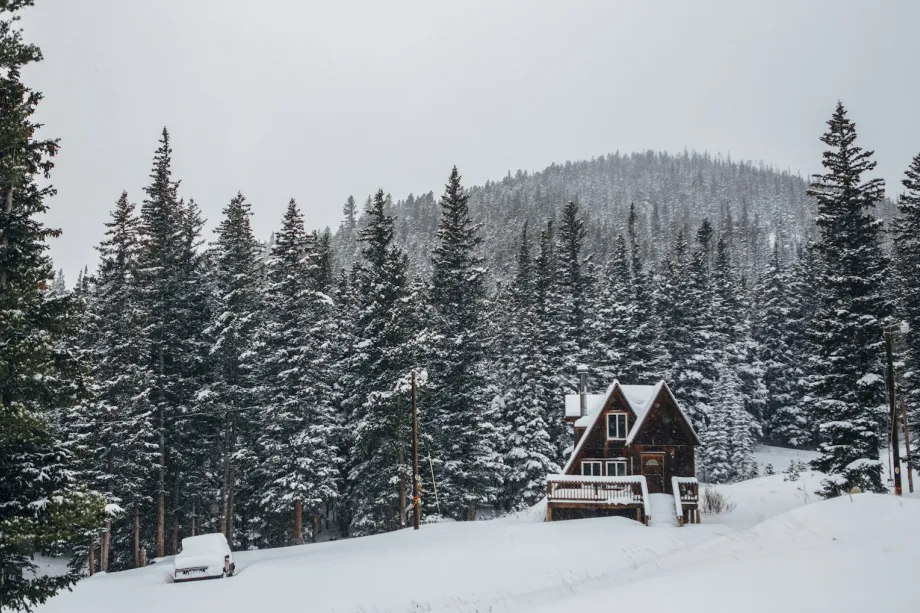
A lodge lounge or rented chalet feels very different. A fireplace, timber beams and big windows facing the peaks suit open brainstorming and evening conversation. They are less suited to structured work. Sofas are hard on backs over a full day of laptop use, open-plan rooms echo on video calls, and a home router can struggle when a dozen people sync files at once.
Groups that need serious output often book a meeting room for the mornings and keep the lounge or chalet for the evenings.
Shaping the day around the mountains
People tire faster in the mountains. Altitude, dry air and outdoor effort all add up, and a schedule that combines a full day at screens with a long hike usually backfires by the third day.
A simple pattern works for many teams: focused work in the morning, then a shared lunch and an afternoon outside. Another approach is to put the heaviest work on arrival and departure days and keep the middle days for longer outings.
Choose activities that suit the least active person in the group. Riverside paths around Banff, the Johnson Lake loop or easy forest trails near Canmore work for most people. Groups wanting more can book a guided snowshoe outing in winter or a canoe session on a calm lake in summer.
Daylight changes a lot through the year. In June and July, light lasts well into the evening, so a late afternoon hike after a full session is realistic. In December and January it is dark by late afternoon, and outdoor activities fit best around the middle of the day, when it is also at its warmest.
Getting there and getting around
Most groups fly into Calgary International Airport, roughly an hour and a half by road from Banff in good conditions.
Coordinators usually choose between a charter bus or scheduled airport shuttle and rental vehicles. A charter moves everyone together straight to the lodging, and nobody has to drive unfamiliar mountain roads, which many team members appreciate. Scheduled shuttles also run between the airport and the mountain towns.
If the agenda includes site visits or activities away from town, rented minivans or SUVs add flexibility. In winter, the Trans-Canada can bring sudden snow, ice and strong wind, and good winter tires make a real difference. Ask the rental company specifically for them.
Every vehicle stopping in Banff National Park needs a valid park pass for each day. Parks Canada sells passes online and at the park gates, including a family or group option that covers the occupants of a single vehicle; check current prices and rules. A group based in Canmore only needs passes on the days it drives into the park.
Seasons and lead times
Season affects price, availability and what you can do.
July and August bring warm weather, open high trails and long days, along with peak prices. Room blocks and meeting space for those months often need booking many months ahead, and group dinners and guided activities should be reserved early too.
Winter peaks over the Christmas holidays and during spring break in March, when the towns fill with skiers. Winter retreats can include cross-country skiing, snowshoeing and frozen canyon walks, but book well in advance.
The shoulder seasons are friendlier to work-focused groups. May, June, September and October bring lower rates, quieter streets and more flexible venues. September often has golden larches in the high country. In May and early June, higher trails are still snowy or muddy, so plan valley activities instead.
A checklist for coordinators
A short list, worked through in order, prevents most last-minute problems.
- Confirm Wi-Fi capacity, screens and adapters directly with the venue, not only from the website.
- Buy park passes online if the group will drive into the national park.
- Collect dietary needs and allergies from everyone before choosing caterers or shopping.
- Send a packing list covering sturdy footwear, a rain shell and warm layers, whatever the season.
- Reserve group dinners well ahead, especially in summer and over the winter holidays.
- Ask for winter tires on rental vehicles for any retreat between October and April.
Frequently asked questions
How far ahead should a group retreat be booked?
For July, August and the winter holidays, as early as you can, often many months ahead. Shoulder season dates in spring and autumn are easier, but popular venues still fill early for group-size blocks.
Should the group rent cars or use shuttles?
Airport shuttles and charter buses handle the trip from Calgary well. Rental vans add flexibility if the agenda includes trailheads or activities outside town.
Does everyone need a national park pass?
Any vehicle stopping in Banff National Park needs a valid pass for each day. If the group stays and meets in Canmore, outside the park, passes are only needed on days you drive into the park.
How should time be split between work and activities?
Many groups find a focused morning session followed by an afternoon outdoors works well. Long screen days plus late excursions wear people out quickly.